Courses
The Best Courses for a Smooth Career Transition: Standout Paths for Success
Discover actionable guides to career transition courses that fit your goals, routines, and budget. Learn smart strategies to develop new skills, maintain motivation, and make your career change stick.
Advertisement

Switching careers can feel like changing lanes on a busy highway—exciting, but stressful if you don’t know where you’re headed. Plenty of people have been in your shoes, looking for career transition courses as a roadmap toward a fulfilling new path.
This matters because smooth transitions aren’t just about skills, but about making informed choices that fit your goals and life stage. You need both clarity and action to see results.
Explore this article to discover clear, actionable strategies and the best courses for a smooth career transition. You’ll learn how to map your next steps and gain real-world confidence quickly.
You will be redirected to another website
You’ll receive messages for less than 1 week, with a maximum of 1 message per day. You can unsubscribe anytime by replying STOP. By submitting this form, I confirm that I am 18+ years old and agree to the Privacy Policy and Terms and Conditions. I also provide my signature, giving express consent to receive informational messages via automated emails, SMS, MMS text messages, and other forms of communication. Message frequency may vary as part of our good-faith effort to respond to your inquiry. Message and data rates may apply. Text STOP to cancel. I understand that my consent to receive communications is not a condition of purchase and that I may revoke my consent at any time.
Pinpointing Courses That Fit Your Career Map and Life Stage
Successfully moving forward starts with picking courses that match your vision. Begin by thinking, “What skills and certifications does my next role truly demand?”
Career transition courses don’t just check boxes. They prepare you to walk into a new office or log onto a fresh role ready to contribute. Align both your goals and your needs.
Checklist for Aligning Courses With Goals
Successful switchers always identify three things before clicking enroll: the role they want, gaps in their skills, and the format best suited to their lifestyle.
Take a notepad and write, “I want to become X by moving from Y, and these are the exact gaps I need filled.” This exercise saves time and money upfront.
Adding career transition courses comes next, ideally ones that offer mentors or practical projects. Look for programs that outline, “After this, you’re ready for these jobs.”
Screening for Reliable Programs
Think like an investigator—research reviews, outcomes, and partner employers for every course. The best ones trumpet actual career outcomes, not just completion certificates.
An aspiring data analyst, for example, should ask, “Who finished this? What job did they land as a result?” Request alumni links or browse LinkedIn for proof of real-world placement.
Courses backed by industry recognition and student testimonials almost always boost confidence during your transition. Use external validation as an anchor before you commit.
| Course | Industry Recognition | Job Placement Rate | Takeaway |
|---|---|---|---|
| Project Management Professional (PMP) | High | 78% | Widely respected, strong ROI for managers moving industries |
| Google IT Support Professional | Medium | 62% | Quick pathway for those pivoting into entry tech roles |
| General Assembly UX Design | High | 70% | Best for creatives seeking product or tech careers |
| Coursera Data Science Specialization | Medium | 56% | Flexible for self-starters re-skilling for analytics |
| Udacity Digital Marketing Nanodegree | Medium | 54% | Solid for creative marketers wanting digital tools |
Fitting Course Structure to Your Schedule Without Sacrificing Quality
Finish new training on time by choosing course structures that fit your real-life commitments, not an idealized routine you can’t maintain for long.
Career transition courses work best when you set a fixed weekly study block—like 7:00 pm on Mondays and Wednesdays—so loved ones know you’re unavailable during those times.
Benefits of Asynchronous Online Learning
Asynchronous courses allow you to fit study around work and family. Log in late at night or early in the morning; you never miss a lecture.
This flexibility is crucial for working parents or anyone balancing an existing job. Review content at your pace, but stick to a visible calendar so deadlines never surprise you.
- Set up a physical study spot—why: signals your intent, how: move distractions out before each session
- Create a family agreement—why: ensures you’re not interrupted, how: draft a pact stating quiet hours upfront
- Chunk learning tasks—why: prevents overwhelm, how: break big modules into daily 20-minute blocks
- Join discussion groups—why: maintains momentum, how: commit to posting questions every week
- Set weekly review alarms—why: tracks your pace, how: use Sunday evening reminders to assess what’s left
Keeping learning manageable boosts your odds of finishing career transition courses and successfully pivoting to new roles faster with less stress.
Evaluating Blended and Bootcamp Approaches
Blended courses mix online flexibility with hands-on labs or live sessions; bootcamps compress learning into full-time bursts for rapid upskilling.
Bootcamps can mimic job pressure, which helps some people adapt to high-intensity roles. Blended models offer mentorship, letting you ask, “Can I try this with your guidance?”
- Block off “deep-dive” weekend hours—why: critical practice time, how: three non-negotiable slots in your calendar every Saturday
- Request accountability check-ins—why: keeps you on task, how: weekly email summaries to a peer or mentor
- Sample before committing—why: tests if a course fits, how: complete a free trial or intro module first
- Rehearse real-world scenarios—why: bridges theory to practice, how: simulate a client pitch or code review for feedback
- Adjust as you go—why: personalizes learning, how: switch tracks if your initial pace or focus isn’t working
These steps keep your momentum strong, which is why career transition courses designed around your workflow usually outperform generic schedules.
Choosing the Course Career Path That Grows With You
Pick courses that set you up for both immediate wins and steady advancement. Always ask, “Will this help me land a first role and climb the ladder later?”
A strong course career path means your learning doesn’t dead-end after one job change. Seek programs including growth modules, e.g., “Leadership for Analysts” after “Intro to Analytics.”
Building a Progressive Course Sequence
Create a one-year learning plan: start with an industry 101, then choose specialty or leadership add-ons based on where you want to be in 6–12 months.
Picture a relay race—handoff points help track your progress. Record each finished module, then ask yourself what knowledge baton you should grab next for career transition courses.
Each checkpoint keeps momentum high and avoids plateauing after your initial transition.
Stackable Credentials and Continuing Education
Stackable credentials let you pivot again later or add credibility as your responsibilities grow. Choose programs that clearly state, “You can upgrade to XYZ after this certificate.”
An HR manager who wants analytics might start with a short data course, then move to a people analytics advanced badge in a few months. This keeps expertise broadening.
Career transition courses offering stackable modules prevent “dead ends” and suit people who love to keep learning and evolving as their goals change.
Skills Career Growth: Tools for Securing In-Demand Roles
Ensuring you’re competitive means targeting skills that hiring managers list as priorities. Study job listings closely, then select courses specifically naming these top skills.
By focusing directly on what employers need, career transition courses make you immediately credible. Concrete skills beat vague claims—think Python, digital marketing analytics, or healthcare project management.
Scenario: From Classroom to Interview
A marketing coordinator spots “SEO proficiency” on job postings. She takes a live optimization module. At her next interview, she shares launch stats from an actual campaign project.
Her confidence shows in the numbers she presents: “We increased organic traffic by 30% in three months after implementing my changes.” That specific course made her interview-ready fast.
Rehearse these stories during coursework so you’re comfortable sharing them at interviews or on your resumé after career transition courses.
Checklist: Matching Skills to Job Requirements
Create a side-by-side grid comparing desired job ads with your course modules. If there’s a mismatch, adjust your enrollment before dedicating resources and time.
Recruiter’s rule: “If you can’t explain what you learned in one sentence, the skill’s not clear enough.” Practice describing new skills aloud.
This clarity not only sharpens your self-pitch but ensures each course moves you closer to your real destination.
Navigating Affordable Professional Courses That Deliver Real Value
Budget shouldn’t block progress. Seek quality career transition courses that don’t leave you in debt, and evaluate value based on outcomes, not just cost.
Several platforms offer scholarships, payment plans, or employer funding. Compare total cost versus salary boost expected post-completion before committing resources.
Blending Free and Paid Offerings Effectively
Use open courses for foundational learning, then invest in a paid certificate for specialized skills or employer recognition. This mix matches ambitious yet budget-conscious professionals.
Track each free course with a summary and compare it with course requirements for your target roles. This keeps learning purposeful within your overall sequence of career transition courses.
Maintaining Motivation Throughout Long-Term Course Commitments
Consistency transforms intentions into achievements. To stay on track, use tangible rewards and visible progress trackers while pursuing career transition courses requiring several months or more.
When motivation dips, revisit your original reasons for enrolling—write them somewhere visible. Sharing progress with a supportive friend adds public accountability, boosting follow-through.
Scenario: Beating the Mid-Course Slump
Halfway through a tough coding bootcamp, Sam stuck a calendar by his desk. Each module finished got a gold star. Weekly calls with a fellow student kept energy flowing.
Simple, physical reminders outweigh motivational hype. A buddy system and checklist make commitment visible and rewards tangible for lasting engagement with career transition courses.
Mini-Step Sequence for Finishing Strong
List three key modules left, mark them boldly, and schedule them as calendar events. Tell a peer: “I plan to submit my last project by this date. Please check in.”
Close each milestone with a celebration—a favorite meal, a day off, or a small treat. Celebrating wins keeps mood and commitment high until the finish line.
Next Steps: Your Personalized Action Plan for Career Transition Success
Every career shift benefits from clarity, strategic course picks, and a consistent routine. The path starts with understanding gaps, matching real skill needs, and choosing quality programs.
Courses designed for career transition—whether online, blended, or in-person—unlock both immediate opportunities and future growth. Aligning schedule, budget, and support ensures momentum builds with each module.
Make your transition bold, practical, and steady by choosing action-driven courses. Each step completed, every skill gained, moves you closer to not just changing jobs, but discovering a genuinely rewarding career.

Construction Job Openings
Stable careers from $17/hour and growth opportunities in a booming industry.
Trending Topics

How to Use a Loan to Invest in Your Career Development
Learn how a career development loan can fund your growth, with strategies to repay efficiently and boost your career prospects.
Keep ReadingYou may also like
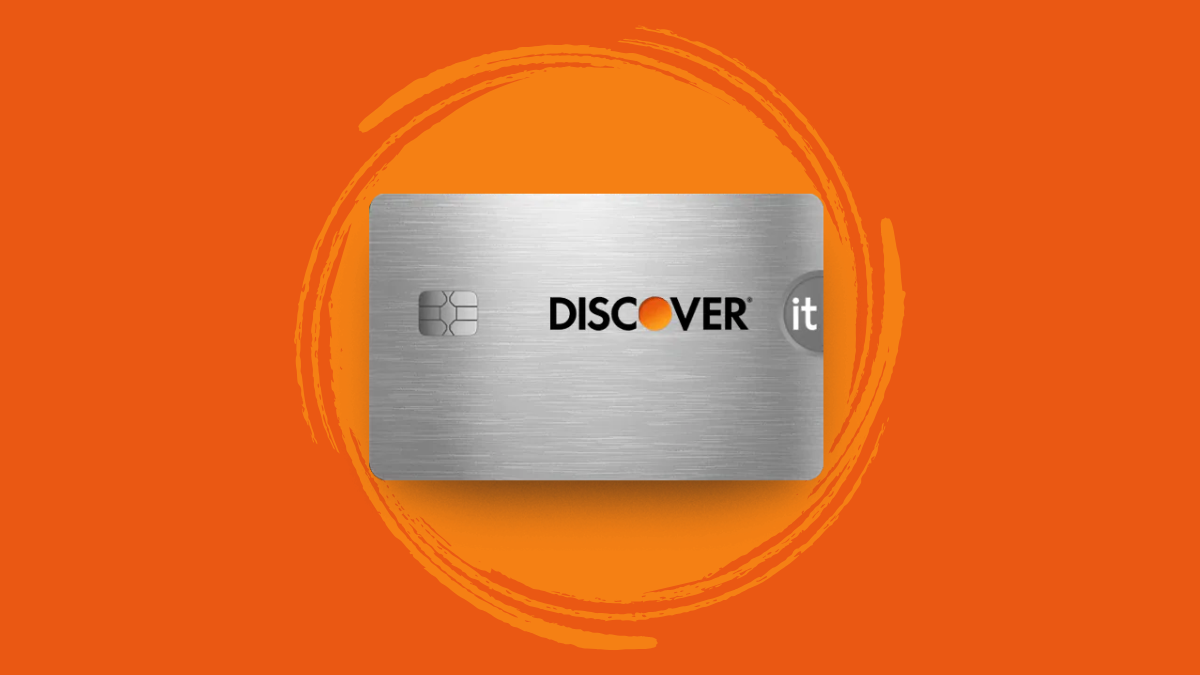
Discover it® Chrome: Earn Cashback on Gas and Dining
Discover the benefits of the Discover it® Chrome Gas & Restaurant Credit Card, offering 2% cashback on gas and dining with no annual fee!
Keep Reading
Top Courses to Help You Develop Key Skills for Career Growth
Discover the best courses for career growth, with strategies to develop skills that will set you apart in the industry.
Keep Reading
Rakuten App: Unveiling the World of Rewards
Unlock savings and rewards with the Rakuten app! Enjoy cashback, exclusive offers, and a vibrant community. Shop smart today!
Keep Reading


