コース
スキル開発のための無料オンラインコースを最大限に活用する方法
スキル開発とキャリアアップのための無料オンラインコースを最大限に活用する効果的な戦略をご紹介します。実践的なヒントを通して、新しいスキルの選び方、活用方法、そして維持方法を学びましょう。
広告

多くの人が、仕事のスキルアップに必要な、たった一つの不足しているスキルを探し求めて夜を過ごしています。無料のオンライン講座は、スキル習得を求める人々にとって、真の変革への道を開いてくれました。
大手企業は、新しいスキルを習得できる適応力のある人材を求めています。無料オンラインコースの背後にある戦略を探ることで、個人は最小限のリスクで、目標とする成長とキャリアアップの機会を掴むことができます。
この記事では、スキル開発のための無料オンラインコースを最大限に活用するための、実績のある方法を探ります。本当に役立つメモを取る準備はできていますか?それでは始めましょう。
別のウェブサイトにリダイレクトされます
効果的なスキル構築のための明確なロードマップを作成する
明確な目標を設定することで、混乱することなく、目的意識を持って無料オンラインコースに取り組むことができます。具体的なスキル構築ロードマップを設定することで、学習時間が確実に実を結ぶでしょう。
最初からゴールが分かっていることで、各コースモジュールがより有意義なものになります。クリックするたびに、より大きな成果への投資となるのです。それは、あなたの専門知識という壁にレンガを積み上げていくようなものだと考えてください。
真の成果を生み出すスキルを見極める
自分のキャリアや人生の目標を評価するために、どの分野でスキルアップが必要かを書き出してみましょう。「グラフィックデザインの仕事に転職したい」「Excelをマスターする必要がある」など、具体的な目標を設定してください。
無料のオンライン講座を、あなたの知識不足を補うものに合わせて選びましょう。本当に役立つものだけを選択することで、実生活に役立たない無作為な知識のバッジを集めることを避けることができます。
学習の目的意識を高めるために、選択した各スキルを測定可能なタスクに結び付けましょう。「このコースを受講したら、ポートフォリオ作品を作成する」とか「週次レポートを自動化する」といった具合です。
意欲を高め、達成可能なマイルストーンを設定する
スキルアップの目標を小さな成功体験に分解しましょう。例えば、最初のモジュールを完了する、クイズを提出する、サンプルプロジェクトを作成するなどです。ご褒美は継続的な努力を促します。
それぞれの小さな目標ごとに、カレンダーアラートや付箋を作成しましょう。例えば、「木曜日までに動画2を完成させる」とか「来週月曜日に同僚に新しいスキルをデモする」などです。
節目ごとに、コーヒーを飲んだり、音楽を聴いたり、オンラインで成功体験を共有したりするなど、自分が大切にしていることで祝いましょう。スタート時の興奮が薄れてきた後も、節目となる出来事はモチベーションを維持するのに役立ちます。
| ステップ | ヒント | なぜそれが重要なのか | 次のアクション |
|---|---|---|---|
| 1. スキルを定義する | 具体的な成果を明記する | あなたの目標に沿う | 実生活での使用例を書き留める |
| 2. コースを探す | フィルターとレビューを活用する | 一般的または古いコンテンツは避けてください。 | 上位3つのオプションをブックマークする |
| 3. 進捗状況を追跡する | チェックリストまたはトラッカーを使用する | 遅れをとることを防ぐ | 各セッションごとに進捗状況を更新 |
| 4. スキルを練習する | 各モジュールの後に適用してください | 記憶に定着させる | プロジェクトの成果物を文書化する |
| 5. 振り返り、共有する | 結果を要約する | 自己評価を促す | 同僚と知見を共有する |
実社会でのニーズに合ったコースを選ぶ
検索を効率化することで、無関係なトピックを避けることができます。適切な無料オンラインコースを見つけることで、あなたのスキルアップは日々の仕事での成功に直接結びつくでしょう。
コースページに記載されている学習成果は、キャリアアップのための実践的なツールへと繋がります。効果の高い無料オンラインコースは、最新のカリキュラム、講師の積極的な指導、そして真の仲間との交流を融合させたものです。
ノイズを除去して質の高い学習を見つける
曖昧な約束や古い口コミを掲載しているプラットフォームは無視しましょう。最新の業界トレンドやソフトウェアアップデートに対応し、積極的にメンテナンスされ、価値が認められているコースを選びましょう。
既に習得済みのスキルと重複する内容の講座は、新たな視点や高度なテクニックを提供してくれる場合を除き、受講を避けましょう。講座の分かりやすさや講師のサポート体制に関するレビューを優先的に参考にしてください。
- 最近の学習者からのフィードバックを精査し、サポート、難易度、成果に関する具体的な内容に注目しましょう。星評価だけのものは無視して、スキル習得に関する詳細なコメントを探してください。
- 最新のモジュールについては、コース概要を確認してください。業界の最新ツールや標準規格について解説しているモジュールを優先的に受講し、知識が実践に結びつく内容であることを確認してください(例:「Figmaの2023年アップデートが含まれています」)。
- コースの期間を比較しましょう。短期コースはすぐに必要な知識を習得するのに適しており、長期コースはより深い理解を促します。毎週確保できる時間に合わせて、コースの期間を選びましょう。
- 講師の経歴や指導スタイルは、プレビュー動画やプロフィールを通して確認しましょう。職場の実情を反映した、実践的な洞察や事例を共有してくれる講師を選びましょう。
- 活発なディスカッションフォーラムやコミュニティQ&A機能のあるプラットフォームを優先しましょう。活発な仲間との交流は、孤立した学習ではなく、仲間と共に学ぶ機会となります。
このチェックリストに従うことで、単に資格証を集めるだけでなく、職場での行動や成長を促すスキルを身につけることができます。
学習内容を専門的な状況に合わせる
選択した無料オンラインコースが、現在の職務または次の職務に直接関連していることを確認してください。マーケティングアシスタントであれば、ソーシャルメディア分析モジュールは具体的な価値を提供します。
年次評価で人前で話す能力が求められている場合、プレゼンテーション講座を受講することで、経営陣からの評価を高め、今後の会議に向けて自信をつけることができます。
- 各コースを短期的な業務課題と結びつけましょう。「この授業が終わったら、来月のレポートをPythonで作成します。」職場での貢献を加速させるために、直接的な関連性を追求するのです。
- 新しいスキルを習得する際には、職場のコーチやメンターと連携しましょう。各モジュール終了後には進捗状況を共有し、フィードバックを求めることで、責任感を高め、リアルタイムの指導を受けることができます。
- 学んだことをすぐに実践に移しましょう。たとえリスクの低いプロジェクトやシミュレーションであっても構いません。学習環境以外で練習すればするほど、自信は早く高まります。
- 実際の現場で何がうまくいき、何がうまくいかなかったかを書き留めた振り返り日記をつけましょう。これを活用して、今後の無料オンラインコースの選択と応募戦略を微調整してください。
- 今後の評価、履歴書の更新、昇進の提案のための話題として、進捗状況を記録してください。「メール自動化モジュールを導入した後、プロジェクト設定時間を30%短縮できました。」
このアプローチは、受動的な学習を、あらゆるキャリアや役割において成果重視のスキル向上へと転換させる。
圧倒されることなく、一貫した学習習慣を築く
無料オンライン講座から最大限の効果を得るには、体系的な学習方法を確立することが重要です。短時間で決まった時間に受講することで、仕事や家庭の忙しいスケジュールの中でも、着実にスキルを磨くことができます。
学習時間をカレンダー上の定期的な予定のように視覚化することで、いつ勉強するかを決めるという精神的な負担が軽減されます。各セッションが自動的に行われ、ストレスも少なくなります。
勉強時間を習慣化して定着させる
夕食後、朝のメールチェック前、日曜日の夜など、毎日決まった時間にオンライン講座に集中して学習しましょう。習慣化は、繰り返し努力することでスキルの習得を加速させます。
場所や合図を毎回同じにしましょう。例えば、スマートフォンを「おやすみモード」に設定したり、学習ノートを手元に置いておくなどです。こうすることで、状況を切り替える際の時間の無駄を減らすことができます。
セッションの時間は30~45分に制限しましょう。短時間であれば負担が少なく、内容の吸収も良くなるため、途中で挫折する可能性を減らすことができます。
モチベーションだけに頼らずに進捗状況を追跡する
各モジュールまたはクイズごとに、目に見えるチェックリストを作成しましょう。達成した項目にチェックを入れていくことで、達成感が得られ、たとえ集中力が途切れたとしても、着実に進歩している実感を得られます。
セッション完了時にちょっとしたご褒美(例えば、お茶休憩やSNSチェックなど)を与えましょう。こうした工夫は、継続的な参加を促し、長期的なモチベーション維持につながります。
セッションを欠席した場合は、何が原因だったのか(会議、疲労、気が散るなど)を振り返ってみましょう。ルーティンや環境を調整してください。ただし、後で無理に続けて参加するのではなく、罪悪感を感じることなく次のセッションに進んでください。
バーチャル教室の外で新しいスキルを応用する
オンライン学習を現実世界で活かすことで、知識は定着します。仕事、趣味、友人との交流など、日々新しいスキルを実践することで、無料のオンライン講座は真に価値のあるものになります。
例えば、表計算ソフトの数式を習得したら、休暇予算やチームの業務フローを自動化してみましょう。実際に活用することで、知識が記憶に定着し、自信も高まります。
コンセプトを具体的なポートフォリオ作品へと昇華させる
学習モジュールを、デジタルチラシ、コードスクリプト、ブログ記事、サンプル動画などの目に見える成果物に変換しましょう。これらのプロジェクトをLinkedInや個人のウェブサイトで共有することで、社会的責任感を高めることができます。
同僚やオンライングループからのフィードバックを活用して、各作品を磨き上げましょう。建設的なコメントは、理解のギャップを明らかにし、今後の学習の優先順位を決定するのに役立ちます。
プロジェクトを完了するたびに、そのプロセスを段階的に記録しましょう。これは学習内容の定着に役立つだけでなく、将来の就職活動やフリーランスの提案の際に共有できる証拠にもなります。
持続的な改善のためのピアネットワークの活用
学習テーマに関連するオンラインコースのフォーラムや地域のユーザーグループに参加しましょう。学習の進捗状況を公開することで、モチベーションが高まり、着実に学習を完了させるための良い刺激になります。
同じようなスキルを目指す、互いに励まし合う仲間を見つけましょう。ヒントを交換したり、問題解決のためのアイデアを出し合ったり、「金曜日の夜に情報交換しましょう」といったフレーズを使って、オンラインで定期的に連絡を取り合うようにしましょう。
ミニデモデーを開催して、共に成長を祝いましょう。成功体験や教訓を共有することで、一人での学習が、より幅広い影響力を持つ、支援的で楽しい経験へと変わります。
スマートなコース戦略で持続的な成長を実現する
意図的な計画、定期的な実践、そして積極的な仲間との交流は、無料のオンラインコースを、目に見える成果を伴ってキャリアを前進させる実践的なスキルへと変換するのに役立ちます。
慎重なコース選択と継続的な実践により、各学習セッションは仕事とポートフォリオの両方において真の価値をもたらし、あらゆる努力が報われるものとなる。
無料のオンライン講座を継続的な自己啓発の味方と捉えることで、仕事上の新たな課題に取り組み、変化し続ける専門分野の状況にも遅れることなく適応できるようになるでしょう。

トレンドトピック



Citi Simplicity® カード: 手数料ゼロと究極の柔軟性
Citi Simplicity® クレジットカードをお試しください。年会費無料、延滞料なし、最大 21 か月の 0% APR です。比類のない柔軟性をお楽しみください。
読み続けるあなたも気に入るかもしれない

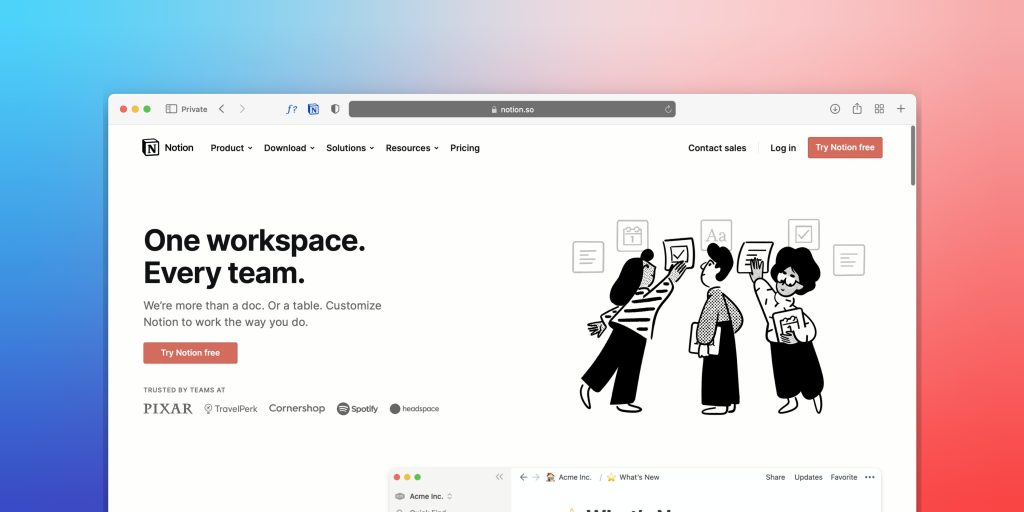
Notionで生産性を向上
Notion は、日常的に使用する仕事用アプリを統合されたカスタマイズ可能なワークスペースに統合する多目的ツールです。チームと共同作業しながら、メモを取ったり、タスクを追加したり、プロジェクトを管理したり、ナレッジ ベースを作成したりできます。
読み続ける