Cours
Les meilleures formations pour une transition de carrière réussie : des voies d’excellence.
Découvrez des guides pratiques pour trouver des formations de reconversion professionnelle adaptées à vos objectifs, votre rythme de vie et votre budget. Apprenez des stratégies efficaces pour développer de nouvelles compétences, maintenir votre motivation et réussir votre transition professionnelle.
Publicité

Changer de carrière, c'est un peu comme changer de voie sur une autoroute très fréquentée : excitant, mais stressant si l'on ne sait pas où l'on va. Nombreux sont ceux qui sont passés par là et qui recherchent des formations de reconversion professionnelle pour trouver leur voie vers un avenir épanouissant.
C'est important car une transition réussie ne repose pas uniquement sur les compétences, mais aussi sur des choix éclairés, adaptés à vos objectifs et à votre situation. Pour obtenir des résultats, il vous faut à la fois de la clarté et de l'action.
Explorez cet article pour découvrir des stratégies claires et concrètes ainsi que les meilleures formations pour une transition de carrière réussie. Vous apprendrez à planifier vos prochaines étapes et à acquérir rapidement une confiance en vous concrète.
Vous serez redirigé vers un autre site web
Identifier les formations qui correspondent à votre projet professionnel et à votre étape de vie
Pour progresser avec succès, il est essentiel de choisir des formations qui correspondent à votre vision. Commencez par vous demander : « Quelles compétences et certifications mon prochain poste exige-t-il réellement ? »
Les formations de transition professionnelle ne se limitent pas à cocher des cases. Elles vous préparent à intégrer un nouveau bureau ou à prendre vos fonctions en toute sérénité, prêt à y contribuer pleinement. Elles vous permettent d'aligner vos objectifs et vos besoins.
Liste de contrôle pour l'alignement des cours sur les objectifs
Les personnes qui réussissent à changer de carrière identifient toujours trois éléments avant de s'inscrire : le poste qu'elles souhaitent, les lacunes dans leurs compétences et le format le mieux adapté à leur style de vie.
Prenez un bloc-notes et écrivez : « Je veux devenir X en passant de Y, et voici précisément les étapes à franchir. » Cet exercice permet d'économiser du temps et de l'argent dès le départ.
L'étape suivante consiste à ajouter des cours de transition professionnelle, idéalement ceux qui proposent du mentorat ou des projets pratiques. Recherchez des programmes qui expliquent : « Après cela, vous serez prêt pour ces emplois. »
Sélection de programmes fiables
Adoptez une approche de chercheur : consultez les évaluations de recherche, les résultats obtenus et les entreprises partenaires pour chaque formation. Les meilleures mettent en avant les débouchés professionnels concrets, et pas seulement les certificats de réussite.
Un aspirant analyste de données, par exemple, devrait se demander : « Qui a réalisé ce projet ? Quel emploi ont-ils décroché par la suite ? » Demandez des contacts d’anciens élèves ou consultez LinkedIn pour trouver des preuves de placements concrets.
Les formations reconnues par le secteur et appuyées par des témoignages d'étudiants renforcent presque toujours la confiance lors d'une transition professionnelle. Appuyez-vous sur une validation externe avant de vous engager.
| Cours | Reconnaissance de l'industrie | Taux de placement professionnel | Emporter |
|---|---|---|---|
| Professionnel en gestion de projet (PMP) | Haut | 78% | Reconnue et offrant un excellent retour sur investissement aux cadres changeant de secteur d'activité, cette formation offre un retour sur investissement important aux gestionnaires qui changent de secteur. |
| Professionnel du support informatique Google | Moyen | 62% | Parcours rapide pour ceux qui se réorientent vers des postes techniques de début de carrière |
| Conception UX de General Assembly | Haut | 70% | Idéal pour les créatifs qui recherchent une carrière dans le développement de produits ou la technologie. |
| Spécialisation en science des données sur Coursera | Moyen | 56% | Formation flexible pour les personnes autonomes souhaitant se requalifier dans le domaine de l'analyse de données |
| Nanodiplôme en marketing numérique d'Udacity | Moyen | 54% | Solide pour les spécialistes du marketing créatifs qui recherchent des outils numériques |
Structurer les cours selon votre emploi du temps sans sacrifier la qualité
Terminez vos nouvelles formations à temps en choisissant des structures de cours adaptées à vos engagements réels, et non une routine idéale que vous ne pourrez pas maintenir longtemps.
Les cours de reconversion professionnelle sont plus efficaces lorsque vous définissez un créneau d'étude hebdomadaire fixe, par exemple 19h00 les lundis et mercredis, afin que vos proches sachent que vous n'êtes pas disponible pendant ces périodes.
Avantages de l'apprentissage en ligne asynchrone
Les cours asynchrones vous permettent d'adapter vos études à votre travail et à votre famille. Connectez-vous tard le soir ou tôt le matin ; vous ne manquerez jamais un cours.
Cette flexibilité est essentielle pour les parents qui travaillent ou pour toute personne qui jongle avec un emploi. Consultez le contenu à votre rythme, mais respectez un calendrier bien visible pour éviter les surprises liées aux échéances.
- Aménagez un espace d'étude physique : pourquoi ? Cela signale votre intention. Comment ? En éliminant les distractions avant chaque séance.
- Établissez un accord familial : pourquoi ? Pour éviter les interruptions. Comment ? En rédigeant un contrat stipulant les heures de silence à l’avance.
- Décomposer les tâches d'apprentissage — pourquoi : pour éviter la surcharge cognitive, comment : diviser les grands modules en blocs quotidiens de 20 minutes
- Participez aux groupes de discussion : pourquoi ? Pour maintenir la dynamique. Comment ? En vous engageant à poser des questions chaque semaine.
- Programmez des alarmes de bilan hebdomadaire : pourquoi ? Pour suivre votre progression. Comment ? Utilisez les rappels du dimanche soir pour évaluer ce qui reste à faire.
Le fait de rendre l'apprentissage gérable augmente vos chances de terminer les cours de transition professionnelle et de réussir votre transition vers de nouveaux rôles plus rapidement et avec moins de stress.
Évaluation des approches mixtes et des camps d'entraînement intensifs
Les cours mixtes combinent la flexibilité du en ligne avec des travaux pratiques en laboratoire ou des sessions en direct ; les bootcamps condensent l’apprentissage en sessions intensives à temps plein pour une montée en compétences rapide.
Les formations intensives peuvent recréer la pression du travail, ce qui aide certaines personnes à s'adapter à des rôles exigeants. Les modèles mixtes offrent un mentorat, vous permettant de demander : « Puis-je essayer cela avec votre aide ? »
- Bloquez des créneaux horaires le week-end pour une analyse approfondie : pourquoi ? Pour s’entraîner en profondeur. Comment ? En réservant trois plages horaires non négociables dans votre agenda chaque samedi.
- Demandez des points de suivi réguliers : pourquoi ? Pour rester concentré sur vos objectifs. Comment ? Par le biais de résumés hebdomadaires envoyés par courriel à un pair ou à un mentor.
- Essayez un cours avant de vous engager : pourquoi ? Pour vérifier si le cours vous convient. Comment ? Commencez par suivre un essai gratuit ou un module d’introduction.
- Mettez-vous en situation réelle : pourquoi ? Pour faire le lien entre la théorie et la pratique. Comment ? En simulant une présentation client ou une revue de code pour obtenir des retours.
- Adaptez-vous au fur et à mesure : pourquoi ? Pour personnaliser l’apprentissage. Comment ? En changeant de cap si votre rythme ou votre concentration initiale ne fonctionne pas.
Ces étapes vous permettent de maintenir votre élan, c'est pourquoi les formations de transition professionnelle conçues sur mesure pour votre flux de travail sont généralement plus performantes que les programmes génériques.
Choisir une formation et un parcours professionnel qui évoluent avec vous
Choisissez des formations qui vous permettent d'obtenir des succès immédiats et de progresser régulièrement. Demandez-vous toujours : « Cette formation m'aidera-t-elle à décrocher un premier emploi et à gravir les échelons par la suite ? »
Un parcours de formation solide vous assure que votre apprentissage ne s'interrompt pas après un changement d'emploi. Privilégiez les programmes incluant des modules de développement, par exemple « Leadership pour analystes » après le cours « Introduction à l'analyse de données ».
Élaboration d'une séquence de cours progressive
Élaborez un plan d'apprentissage sur un an : commencez par une introduction au secteur, puis choisissez des modules de spécialisation ou de leadership en fonction de vos objectifs pour les 6 à 12 prochains mois.
Imaginez une course de relais : les points de passage permettent de suivre votre progression. Notez chaque module terminé, puis demandez-vous quel module de connaissances vous devriez acquérir ensuite pour vos formations de reconversion professionnelle.
Chaque étape de contrôle permet de maintenir un rythme soutenu et d'éviter la stagnation après la transition initiale.
Formation continue et certifications cumulables
Les certifications cumulables vous permettent de vous réorienter ultérieurement ou de renforcer votre crédibilité à mesure que vos responsabilités augmentent. Choisissez des programmes qui indiquent clairement : « Vous pouvez obtenir la certification XYZ après cette certification. »
Un responsable RH souhaitant développer ses compétences en analyse de données pourrait commencer par une courte formation, puis obtenir une certification avancée en analyse des données RH quelques mois plus tard. Cela lui permet d'élargir constamment son expertise.
Les formations de transition professionnelle proposant des modules modulables permettent d'éviter les impasses et conviennent aux personnes qui aiment continuer à apprendre et à évoluer au gré de l'évolution de leurs objectifs.
Développement des compétences et de la carrière : outils pour décrocher des emplois recherchés
Pour rester compétitif, il est essentiel de cibler les compétences que les recruteurs considèrent comme prioritaires. Analysez attentivement les offres d'emploi, puis choisissez des formations qui mettent l'accent sur ces compétences clés.
En se concentrant directement sur les besoins des employeurs, les formations de reconversion professionnelle vous confèrent immédiatement une crédibilité. Des compétences concrètes valent mieux que des affirmations vagues : pensez à Python, à l’analyse marketing numérique ou à la gestion de projets dans le secteur de la santé.
Scénario : De la salle de classe à l'entretien d'embauche
Une coordinatrice marketing repère la mention « compétences SEO » dans les offres d'emploi. Elle suit une formation en optimisation SEO. Lors de son entretien suivant, elle présente les statistiques de lancement d'une campagne réelle.
Sa confiance transparaît dans les chiffres qu'elle présente : « Nous avons augmenté le trafic organique de 301 000 trou en trois mois après la mise en œuvre de mes modifications. » Cette formation spécifique l'a préparée rapidement aux entretiens d'embauche.
Entraînez-vous à raconter ces histoires pendant vos cours afin d'être à l'aise pour les partager lors d'entretiens ou sur votre CV après des cours de transition de carrière.
Liste de vérification : Adéquation des compétences aux exigences du poste
Créez un tableau comparatif des offres d'emploi souhaitées et des modules de votre formation. En cas de décalage, ajustez vos effectifs avant d'y consacrer du temps et des ressources.
Règle du recruteur : « Si vous ne pouvez pas expliquer ce que vous avez appris en une phrase, la compétence n’est pas suffisamment claire. » Entraînez-vous à décrire vos nouvelles compétences à voix haute.
Cette clarté affine non seulement votre argumentation personnelle, mais garantit également que chaque cours vous rapproche de votre véritable objectif.
Trouver des formations professionnelles abordables et réellement intéressantes
Le budget ne devrait pas être un frein à votre progression. Recherchez des formations de transition professionnelle de qualité qui ne vous endettent pas et évaluez leur valeur en fonction des résultats obtenus, et non uniquement de leur coût.
Plusieurs plateformes proposent des bourses, des plans de paiement ou un financement par l'employeur. Comparez le coût total à l'augmentation de salaire attendue après la formation avant d'investir.
Combiner efficacement les offres gratuites et payantes
Pour acquérir les bases, suivez des cours en ligne ouverts à tous, puis investissez dans une certification payante pour développer des compétences spécialisées ou obtenir la reconnaissance des employeurs. Cette formule convient aux professionnels ambitieux soucieux de leur budget.
Suivez chaque cours gratuit en résumant ses caractéristiques et comparez-les aux exigences des postes que vous visez. Cela vous permettra de garder un apprentissage pertinent au sein de votre parcours global de transition professionnelle.
Maintenir sa motivation tout au long d'un engagement de formation à long terme
La constance transforme les intentions en réussites. Pour rester sur la bonne voie, utilisez des récompenses concrètes et des outils de suivi des progrès visibles lors de vos formations de reconversion professionnelle d'une durée de plusieurs mois, voire plus.
Lorsque votre motivation faiblit, relisez les raisons initiales de votre inscription et notez-les à un endroit visible. Partager vos progrès avec un ami qui vous soutient renforce votre engagement et encourage la persévérance.
Scénario : Surmonter le coup de mou de mi-parcours
À mi-parcours d'une formation intensive en programmation, Sam a affiché un calendrier près de son bureau. Chaque module terminé était récompensé par une étoile dorée. Des appels hebdomadaires avec un autre étudiant lui permettaient de garder la motivation.
Des rappels concrets et simples sont plus efficaces que les discours motivationnels à outrance. Un système de parrainage et une liste de contrôle permettent de visualiser l'engagement et de rendre tangibles les récompenses, favorisant ainsi une participation durable aux formations de transition professionnelle.
Mini-séquence d'étapes pour finir en beauté
Listez les trois modules principaux restants, mettez-les en évidence et planifiez-les dans votre calendrier. Prévenez un collègue : « Je compte rendre mon dernier projet à cette date. Merci de me tenir au courant. »
Clôturez chaque étape importante par une célébration : un repas préféré, une journée de congé ou une petite récompense. Célébrer les victoires permet de maintenir la motivation et l’engagement jusqu’à la ligne d’arrivée.
Prochaines étapes : Votre plan d’action personnalisé pour réussir votre transition de carrière
Toute reconversion professionnelle bénéficie d'une vision claire, de choix de formations stratégiques et d'une routine stable. Le processus commence par l'identification des lacunes, l'adéquation aux besoins réels en compétences et le choix de programmes de qualité.
Les formations conçues pour la reconversion professionnelle – qu’elles soient en ligne, hybrides ou en présentiel – offrent des opportunités immédiates et favorisent l’évolution de carrière. Un accompagnement adapté au planning, au budget et aux besoins de formation permet une progression constante à chaque module.
Réussissez votre transition professionnelle de manière audacieuse, concrète et progressive en choisissant des formations axées sur la pratique. Chaque étape franchie, chaque compétence acquise, vous rapproche non seulement d'un changement d'emploi, mais aussi d'une carrière véritablement épanouissante.

Offres d'emploi dans le secteur de la construction
Des carrières stables de $17/heure et des opportunités de croissance dans une industrie en plein essor.
Sujets Tendance

Cash App : votre compagnon financier de référence pour la budgétisation et la gestion de l'argent
Cash App est un service de paiement mobile qui simplifie vos transactions financières. Développé par Square Inc.
Continuer la Lecture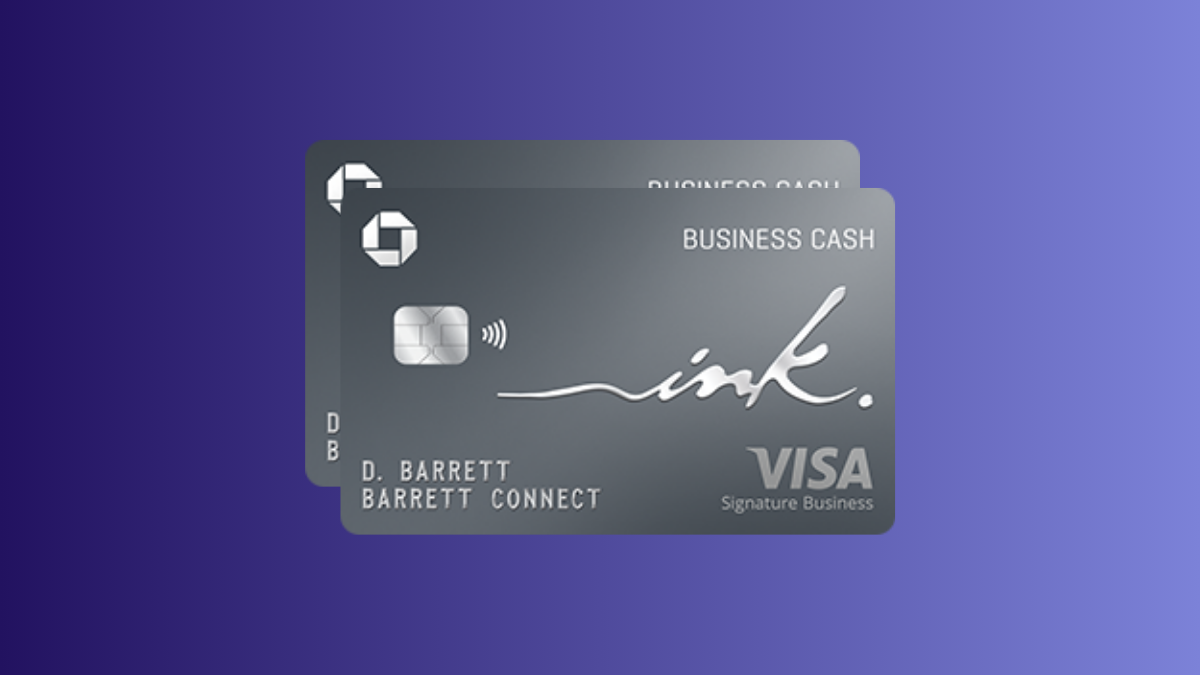
Ink Business Cash® : Gagnez des remises en argent importantes grâce aux avantages commerciaux essentiels
Débloquez des stratégies de dépenses plus intelligentes avec Ink Business Cash®. Gagnez jusqu'à 5% de remise en argent sur certains achats, le tout sans frais annuels !
Continuer la Lecture
Vous aimerez peut-être aussi

Évaluation de la carte de crédit Capital One Venture X : voyagez en toute simplicité !
Continuer la Lecture

Évaluation de la carte de crédit Visa® Mission Lane : transformation financière !
Continuer la Lecture

American Express Blue Cash Everyday® : des récompenses sans frais annuels
Découvrez la carte American Express Blue Cash Everyday® : gagnez 3% de cashback sur vos achats essentiels sans frais annuels. Idéale pour faire des économies au quotidien.
Continuer la Lecture


